If you’re looking for a dish that feels like a celebration of springtime on your plate, this Pasta Primavera Recipe is an absolute must-try. It’s a vibrant, colorful medley of fresh vegetables and perfectly cooked penne pasta coming together in a light, zesty sauce that’s both comforting and refreshing. Whether you’re craving something wholesome for a weeknight dinner or hoping to impress friends with a bright, flavorful meal, this recipe brings together simple ingredients that pack a punch with every bite. Cooking and eating this Pasta Primavera Recipe feels like a delightful way to enjoy a healthy yet indulgent feast without fuss.
Ingredients You’ll Need
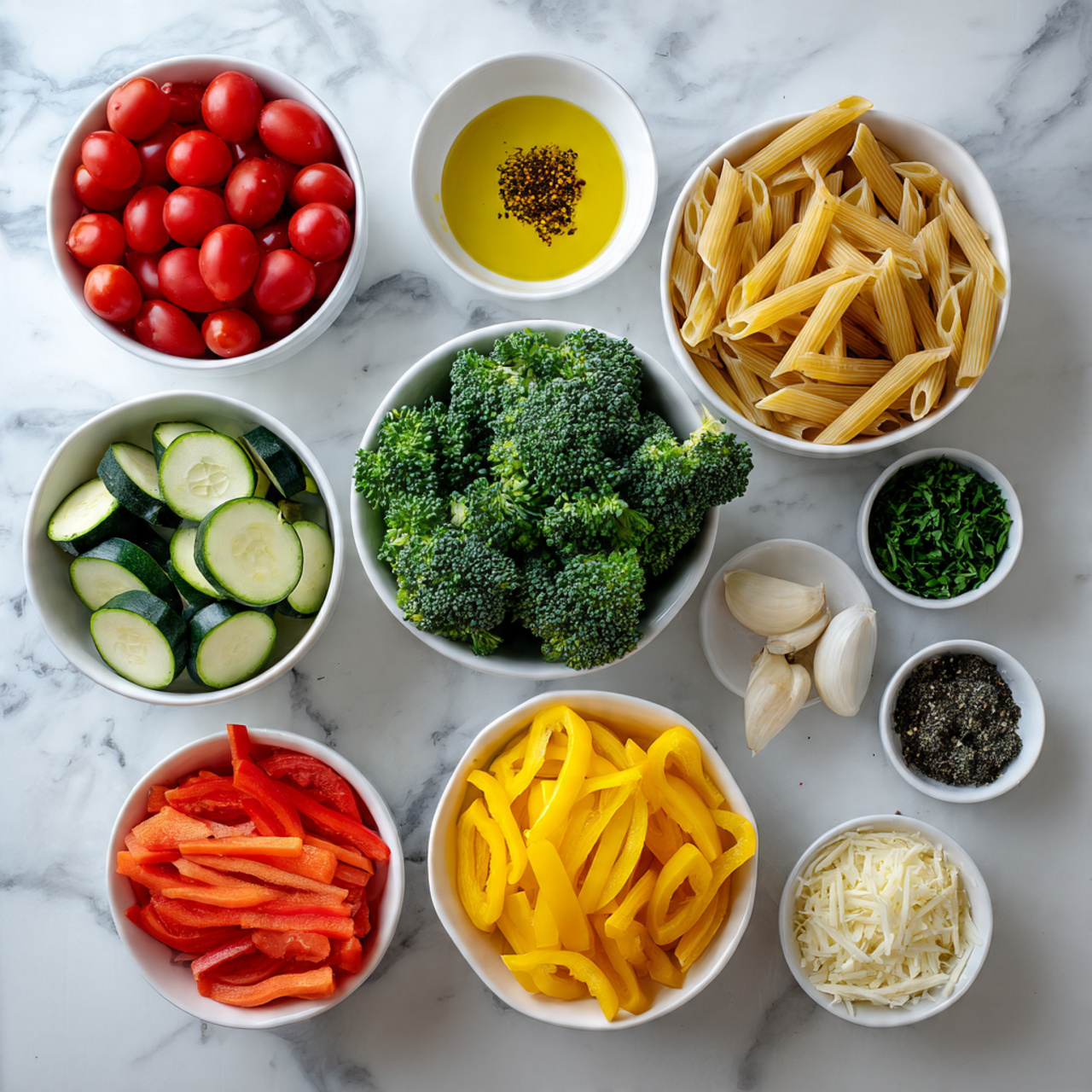
Gathering the right ingredients is the first step to creating a Pasta Primavera Recipe that bursts with vibrant flavors and satisfying textures. Each component contributes its unique character, making the dish a harmonious mix of freshness, heartiness, and just the right amount of savory goodness.
- 10 oz penne pasta: The perfect pasta shape to hold onto the fresh vegetable pieces and sauce for a balanced bite.
- 1/2 cup reserved pasta water: Starchy and flavorful, it helps loosen the sauce and bring everything together beautifully.
- 1 medium red bell pepper, sliced: Adds a sweet crunch and vibrant red color.
- 1 cup grape tomatoes, halved: Brings bursts of juicy freshness to each forkful.
- 2 tsp dried Italian herbs: A fragrant blend that enhances the overall Mediterranean vibe.
- 1 large carrot, sliced (1/4-inch rounds): Offers a gentle sweetness and a satisfying bite.
- 3-4 garlic cloves, minced: Infuses the dish with warm aromatic depth.
- 1 medium zucchini, sliced: Softens and adds mild flavor and moisture.
- 1/2 medium red onion, thinly sliced: Adds subtle sharpness and color contrast.
- 2 tbsp fresh parsley, chopped: Lifts the dish with a fresh herbal note.
- 1/4 cup olive oil: The heart of the sauté, adding rich smoothness and helping flavors meld.
- 1 medium yellow squash, sliced: Introduces a gentle sweetness and bright yellow hue.
- 2 tbsp fresh lemon juice: Brings zesty brightness to brighten all the flavors.
- Salt, as needed: Essential for seasoning and enhancing all the ingredients.
- 1/2 cup grated Parmesan cheese: Adds a nutty, savory finish that ties everything together.
- 2 cups broccoli, small florets: Offers a satisfying crunch and a vibrant green hue.
How to Make Pasta Primavera Recipe
Step 1: Cook the Pasta Perfectly
Start by bringing a large pot of salted water to a boil—it’s important to season the pasta water well to infuse the pasta with some flavor from the get-go. Add the penne pasta and cook it until it’s just al dente, firm yet tender to the bite. Before draining, reserve a half cup of that pasta water to help marry the sauce and vegetables later.
Step 2: Sauté the Aromatics and Root Vegetables
While the pasta cooks, heat olive oil in a large skillet over medium-high heat. Toss in the red onion and carrot slices, sautéing them for about 2 minutes until they start softening but still hold some bite. This builds the foundational flavor for the Primavera.
Step 3: Add Broccoli and Bell Pepper
Next, introduce the broccoli florets and red bell pepper slices to the skillet. Continue sautéing for another couple of minutes. This part keeps the veggies vibrant and crisp-tender—exactly the texture you want to highlight in a great Pasta Primavera Recipe.
Step 4: Incorporate Zucchini and Yellow Squash
Now add the zucchini and yellow squash slices, cooking them for 2 to 3 minutes until they become just tender but not mushy. These vegetables contribute gentle sweetness and soften the overall dish texture, bringing balance.
Step 5: Add Garlic, Tomatoes, and Italian Herbs
Then, add the minced garlic along with halved grape tomatoes and dried Italian herbs. Sauté until the garlic becomes fragrant and the tomatoes begin releasing their juices, about 2 minutes. This step infuses the dish with mouthwatering Mediterranean aromas.
Step 6: Combine Vegetables and Pasta
Transfer the sautéed vegetables back into the pasta pot or a large serving bowl with the cooked penne. This makes stirring everything together seamless and ensures even flavor throughout.
Step 7: Finish with Lemon Juice, Seasoning, and Pasta Water
Drizzle the fresh lemon juice over the pasta and veggies, seasoning generously with salt to taste. Begin tossing everything while gradually adding the reserved pasta water to loosen the mixture and create a silky, cohesive sauce that clings delightfully to each pasta piece.
Step 8: Add Parmesan and Fresh Parsley
Finally, sprinkle in the grated Parmesan cheese and chopped parsley. Toss thoroughly to evenly distribute their creamy and herbal notes, completing the dish’s fresh and savory profile.
Step 9: Serve Immediately with Extra Parmesan
Serve the Pasta Primavera Recipe right away, topping each portion with a little extra Parmesan cheese for that irresistible finishing touch.
How to Serve Pasta Primavera Recipe

Garnishes
Fresh herbs like basil or additional parsley make perfect garnishes, adding a pop of green and a fresh aroma that elevates the dish’s presentation. A light sprinkle of crushed red pepper flakes or a drizzle of high-quality extra virgin olive oil can also provide an unexpected flavor boost.
Side Dishes
This Pasta Primavera Recipe pairs wonderfully with crusty garlic bread or a light mixed green salad tossed in lemon vinaigrette. For something heartier, grilled chicken or shrimp on the side can turn this vibrant pasta into a complete, satisfying meal.
Creative Ways to Present
Serve this dish in individual shallow bowls to showcase the colorful vegetables beautifully, or pile it high on a large communal platter for a family-style dinner. Adding edible flowers or microgreens on top can transform it into a show-stopping centerpiece at your next gathering.
Make Ahead and Storage
Storing Leftovers
Place any leftover Pasta Primavera Recipe in an airtight container and keep it in the refrigerator for up to 3 days. The flavors actually develop beautifully overnight, but the vegetables may become slightly softer.
Freezing
Because the dish features delicate vegetables and cheese, freezing isn’t always ideal as it can alter the texture. If you do choose to freeze, make sure to store it in a tightly sealed container and consume within 1 month. Thaw slowly in the refrigerator before reheating gently.
Reheating
To reheat, warm the pasta gently on the stove over low heat, adding a splash of water or olive oil to refresh the sauce and prevent it from sticking. Avoid microwaving for long periods to keep the vegetables from turning too soft or mushy.
FAQs
Can I use other pasta shapes in this Pasta Primavera Recipe?
Absolutely! While penne is recommended because its ridges and tube shape hold onto the sauce beautifully, farfalle, fusilli, or even spaghetti can work just as well depending on what you have on hand.
What vegetables work best in Pasta Primavera?
Fresh, crisp, and colorful vegetables such as bell peppers, zucchini, yellow squash, carrots, broccoli, tomatoes, and onions work best. Feel free to swap or add seasonal vegetables you love for a personalized touch.
Is this Pasta Primavera Recipe vegetarian?
Yes! This recipe is naturally vegetarian and can easily be made vegan by omitting the Parmesan cheese or replacing it with a plant-based alternative.
How can I make this dish gluten-free?
Simply substitute the penne pasta for gluten-free pasta varieties. Most brands cook similarly, so just monitor the cooking time to get the same perfect al dente texture.
Can I prepare parts of this recipe ahead of time?
You can chop the vegetables and grate the cheese in advance to save time. However, sautéing the vegetables and combining everything with the pasta is best done right before serving to maintain freshness and texture.
Final Thoughts
This Pasta Primavera Recipe perfectly captures the joy of fresh, vibrant ingredients coming together in a bowl, making every meal feel special yet effortlessly wholesome. I can’t wait for you to try it and experience how simple ingredients can create something truly spectacular. Once you’ve made it, Pasta Primavera will surely become one of your go-to dishes for lively weeknights or casual entertaining with friends.
Print
Pasta Primavera Recipe
A vibrant and flavorful Pasta Primavera featuring a medley of fresh vegetables sautéed to perfection and tossed with al dente penne pasta, olive oil, lemon juice, and Parmesan cheese. This easy and colorful dish is perfect for a quick weeknight meal that celebrates fresh produce and classic Italian flavors.
- Total Time: 30 minutes
- Yield: 4 servings
Ingredients
Vegetables
- 1 medium red bell pepper, sliced
- 1 cup grape tomatoes, halved
- 1 large carrot, sliced (1/4-inch rounds)
- 1 medium zucchini, sliced
- 1/2 medium red onion, thinly sliced
- 1 medium yellow squash, sliced
- 2 cups broccoli, small florets
- 3–4 garlic cloves, minced
Pasta & Liquids
- 10 oz penne pasta
- 1/2 cup reserved pasta water
- 1/4 cup olive oil
- 2 tbsp fresh lemon juice
Herbs & Cheese
- 2 tsp dried Italian herbs
- 2 tbsp fresh parsley, chopped
- 1/2 cup grated Parmesan cheese
Seasoning
- Salt, as needed
Instructions
- Cook the pasta: Bring a large pot of salted water to a boil. Add the penne pasta and cook until al dente, according to package instructions. Reserve 1/2 cup of the pasta cooking water before draining the pasta.
- Sauté onions and carrots: Heat olive oil in a large skillet over medium-high heat. Add the sliced red onion and carrot rounds and sauté for 2 minutes until they start to soften.
- Add broccoli and bell pepper: Add the small broccoli florets and sliced red bell pepper to the skillet. Continue sautéing for another 2 minutes to begin cooking the vegetables.
- Sauté zucchini and yellow squash: Add sliced zucchini and yellow squash to the skillet. Sauté for 2-3 minutes until the veggies are almost tender but still crisp and colorful.
- Add garlic, tomatoes, and herbs: Stir in the minced garlic, halved grape tomatoes, and dried Italian herbs. Sauté for an additional 2 minutes until the mixture is fragrant and the tomatoes start to soften.
- Combine pasta and vegetables: Transfer the sautéed vegetables to the pot or bowl containing the drained pasta. This keeps the flavors together and facilitates tossing.
- Add lemon juice and season: Drizzle fresh lemon juice over the pasta and vegetables. Season with salt to taste. Toss well, gradually adding the reserved pasta water to loosen the sauce and help the ingredients combine.
- Add cheese and parsley: Toss in the grated Parmesan cheese and chopped fresh parsley. Mix thoroughly so the cheese melts slightly and coats the pasta evenly.
- Serve immediately: Plate the pasta primavera and top with additional Parmesan cheese if desired. Serve warm for the best flavor and texture.
Notes
- Use fresh seasonal vegetables for the best taste and texture.
- Reserve pasta water is essential for loosening the sauce and helping ingredients coat the pasta.
- You can substitute penne with other pasta like fusilli or farfalle if preferred.
- Add crushed red pepper flakes for a hint of heat.
- For a vegetarian version, ensure the Parmesan cheese is vegetarian-friendly or omit it.
- Prep Time: 15 minutes
- Cook Time: 15 minutes
- Category: Main Course
- Method: Stovetop
- Cuisine: Italian
- Diet: Vegetarian