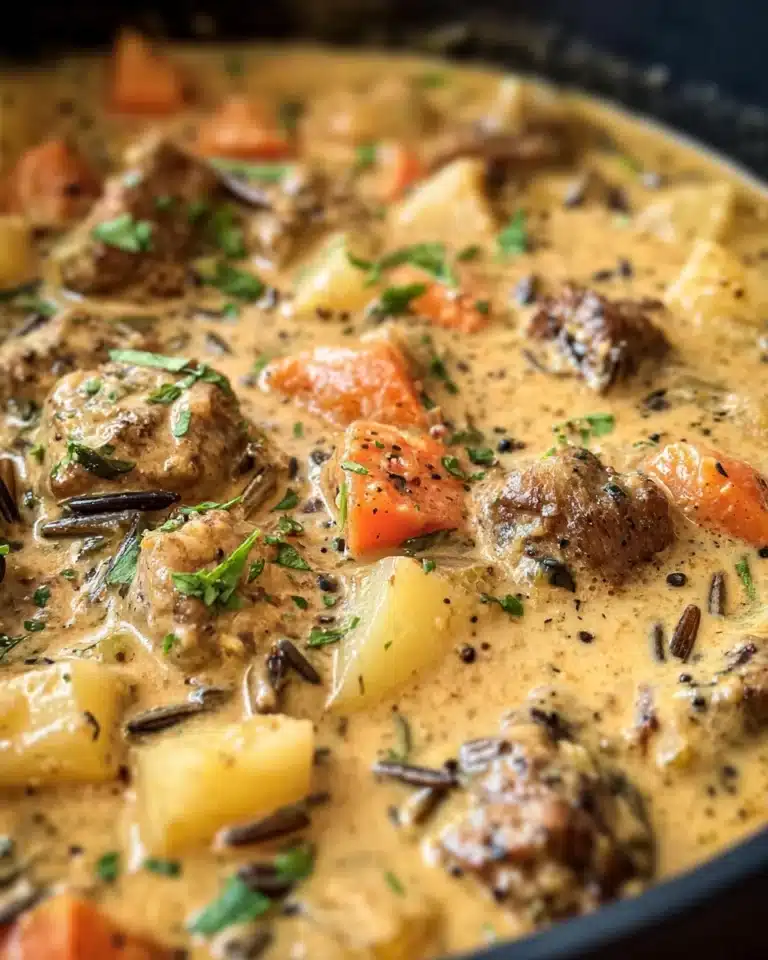
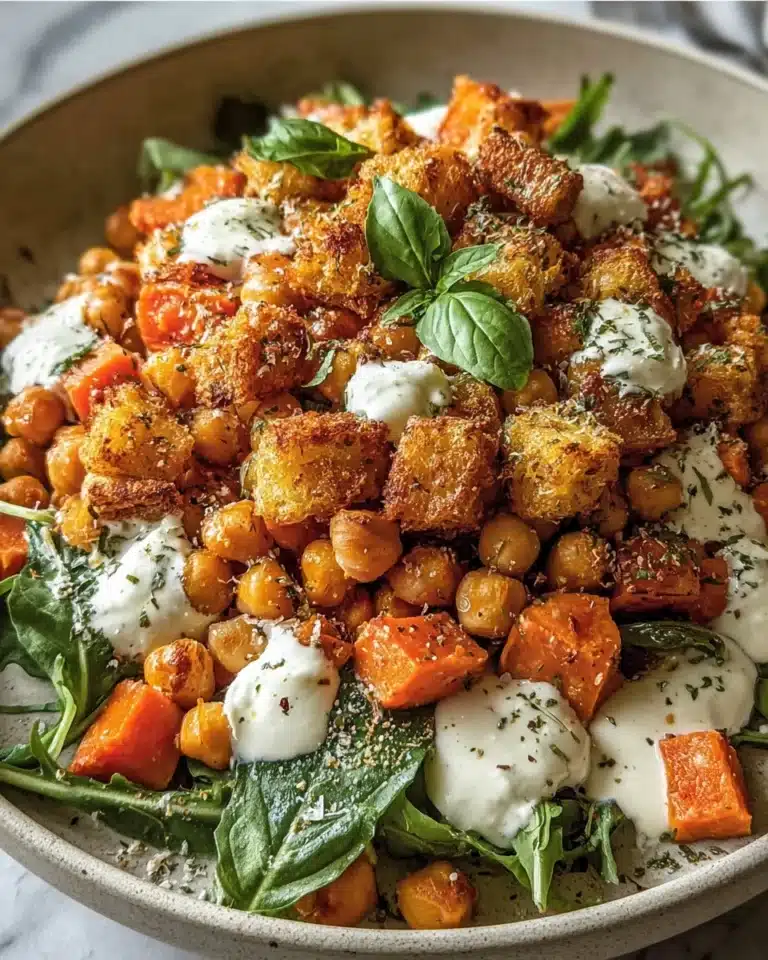
If you’re craving a dish that bursts with vibrant colors, fresh flavors, and nourishing goodness, then this Vegetable Pasta Primavera Recipe is exactly what you need. It’s a delightful medley of crisp veggies and perfectly cooked pasta all tossed in a light, flavorful sauce that makes every bite feel like spring on a plate. Whether you’re cooking for a quick weeknight meal or a casual dinner with friends, this recipe strikes the perfect balance between wholesome and indulgent, making it a beloved favorite to come back to again and again.
Ingredients You’ll Need

The magic of this Vegetable Pasta Primavera Recipe lies in its simplicity and freshness. Every ingredient plays a key role, whether it’s adding texture, a pop of color, or layers of flavor that make this dish so irresistible.
- 12 ounces pasta (penne, fettuccine, or spaghetti): Choose your favorite pasta shape for the perfect bite and texture.
- 2 tablespoons olive oil: The base for sautéing, bringing a lovely richness and aroma.
- 3 cloves garlic, minced: This adds a fragrant depth that ties all the flavors together.
- 1 red bell pepper, sliced: Bright and sweet, it gives a vibrant pop of color and crunch.
- 1 yellow bell pepper, sliced: Balances the red pepper’s sweetness with a sunny hue.
- 1 zucchini, sliced: Offers a subtle earthiness and tender bite when cooked.
- 1 cup cherry tomatoes, halved: Burst of juicy sweetness that enhances the freshness.
- 1 cup broccoli florets: Adds a satisfying crunch and loads of nutrients.
- 1/2 cup carrots, thinly sliced: Slightly sweet and colorful, perfect for crunch.
- 1/2 cup vegetable broth: Keeps the veggies moist and infuses subtle savory notes.
- 1/4 cup heavy cream (optional): For a luscious, silky finish that elevates the dish.
- 1/2 cup grated Parmesan cheese: Adds a salty, nutty richness that’s simply irresistible.
- Salt and black pepper to taste: Essential seasonings to bring all flavors into focus.
- 2 tablespoons fresh basil or parsley, chopped: Fresh herbs add brightness and perfect herbal notes at the end.
How to Make Vegetable Pasta Primavera Recipe
Step 1: Cook the Pasta
Start by boiling your chosen pasta according to the package instructions until it’s al dente — tender yet with a bit of bite. Don’t forget to reserve a cup of the starchy pasta water before draining because it’s a secret weapon to help your sauce cling beautifully to every noodle.
Step 2: Sauté the Garlic and Vegetables
While the pasta is cooking, heat olive oil in a large skillet over medium heat. Add the minced garlic first and let it become fragrant without browning — this releases the wonderful aroma that makes any dish inviting. Then toss in the sliced bell peppers, zucchini, broccoli, and carrots. Stir them frequently to ensure they cook evenly but still hold a delightful crunch.
Step 3: Add Tomatoes and Broth
Once the veggies begin to soften, add the halved cherry tomatoes and pour in the vegetable broth. This step helps create a light, flavorful sauce and lets the tomatoes start to break down just enough to add a juicy, tangy component without losing their freshness.
Step 4: Stir in Cream (Optional)
If you want to take your Vegetable Pasta Primavera Recipe to the next level of indulgence, gently stir in the heavy cream. It adds a silky texture that wraps around the veggies and pasta, making each bite wonderfully sumptuous.
Step 5: Combine Pasta and Vegetables
Next, add your drained pasta right into the skillet with the sauce and vegetables. Toss everything together thoroughly so every strand or piece is coated with those vibrant flavors. If the mixture seems a bit dry, toss in a splash of the reserved pasta water to loosen it up and create a cohesive sauce.
Step 6: Add Parmesan and Seasonings
Finish off the cooking by folding in the grated Parmesan cheese, which melts into the sauce, providing a savory, nutty depth. Season generously with salt and freshly ground black pepper — this final touch balances the flavors perfectly.
Step 7: Garnish and Serve
Turn off the heat and sprinkle chopped fresh basil or parsley on top for an herbal kick, a burst of color, and that irresistible aroma that invites everyone to dig in.
How to Serve Vegetable Pasta Primavera Recipe

Garnishes
Adding a sprinkle of freshly grated Parmesan or crumbled feta cheese can enhance the creaminess and tang. A drizzle of extra virgin olive oil or a squeeze of lemon juice adds brightness and freshness right before serving, making it feel even more vibrant.
Side Dishes
This dish shines beautifully as a stand-alone meal, but pairing it with garlic bread or a crisp green salad can round it out exactly right. Roasted asparagus or simple sautéed greens also complement the fresh flavors and textures in the pasta primavera.
Creative Ways to Present
For a showstopper, serve the Vegetable Pasta Primavera Recipe in colorful, shallow bowls that highlight the reds, greens, and yellows of the veggies. You can also portion it into small individual ramekins for a charming presentation at dinner parties or family gatherings.
Make Ahead and Storage
Storing Leftovers
After the meal, store any leftovers in an airtight container in the refrigerator. The fresh vegetables maintain their texture well overnight, and the flavors meld beautifully, making it even tastier the next day.
Freezing
While freezing is possible, know that the pasta and veggies might become a bit softer after thawing. If you plan to freeze, consider keeping the sauce and cooked pasta separate and recombine them after reheating for the best texture.
Reheating
To reheat, gently warm your Vegetable Pasta Primavera Recipe on the stove over low heat with a splash of water or broth to revive the sauce. Avoid microwaving at high power which can overcook the veggies and dry out the pasta.
FAQs
Can I use different vegetables for this recipe?
Absolutely! The beauty of Vegetable Pasta Primavera Recipe is its flexibility. Feel free to swap in whatever fresh vegetables you have on hand, like asparagus, green beans, or peas — the dish adapts beautifully.
Is it necessary to use heavy cream?
No, the heavy cream is optional. The dish tastes wonderful with just the vegetable broth and a generous amount of Parmesan, keeping things lighter and still flavorful.
What’s the best pasta shape for this recipe?
Penne, fettuccine, or spaghetti all work wonderfully. Penne’s tubular shape holds the sauce well, while spaghetti or fettuccine creates a lovely presentation with the strands mingling with the veggies.
Can this recipe be made vegan?
Definitely! Simply omit the heavy cream and Parmesan cheese, or use vegan cheese substitutes and plant-based cream to keep the dish creamy and satisfying.
How long does this recipe take to prepare?
From start to finish, this Vegetable Pasta Primavera Recipe takes about 35 minutes, making it perfect for a fresh and flavorful weeknight dinner when time is limited.
Final Thoughts
This Vegetable Pasta Primavera Recipe is one of those dishes that feels like a warm hug from your kitchen. Fresh vegetables, savory cheese, and perfectly cooked pasta come together to create a meal that’s both comforting and vibrant. I can’t recommend it enough to bring a burst of freshness and color to your dinner table. Give it a try soon — I know it will become one of your favorites too!
Print
Vegetable Pasta Primavera Recipe
This vibrant and comforting fresh weeknight dinner pasta features a medley of sautéed colorful vegetables tossed with perfectly cooked pasta in a light and creamy sauce. Quick to prepare in just 35 minutes, it combines the flavors of garlic, bell peppers, zucchini, cherry tomatoes, broccoli, and carrots with a touch of Parmesan and fresh herbs for a wholesome family-friendly meal that’s both satisfying and nutritious.
- Total Time: 35 minutes
- Yield: 4 servings
Ingredients
Pasta
- 12 ounces pasta (penne, fettuccine, or spaghetti)
Vegetables & Aromatics
- 2 tablespoons olive oil
- 3 cloves garlic, minced
- 1 red bell pepper, sliced
- 1 yellow bell pepper, sliced
- 1 zucchini, sliced
- 1 cup cherry tomatoes, halved
- 1 cup broccoli florets
- 1/2 cup carrots, thinly sliced
Liquids & Dairy
- 1/2 cup vegetable broth
- 1/4 cup heavy cream (optional)
- 1/2 cup grated Parmesan cheese
Seasonings & Herbs
- Salt and black pepper to taste
- 2 tablespoons fresh basil or parsley, chopped
Instructions
- Cook Pasta: Bring a large pot of salted water to a boil. Add the pasta and cook until al dente, according to package instructions. Reserve about 1/4 cup of pasta water before draining the pasta.
- Sauté Garlic and Vegetables: In a large skillet, heat the olive oil over medium heat. Add the minced garlic and cook for about 1 minute until fragrant. Add the sliced red and yellow bell peppers, zucchini, broccoli florets, and thinly sliced carrots. Sauté for 5-7 minutes until the vegetables are tender but still crisp.
- Add Tomatoes and Broth: Stir in the halved cherry tomatoes and pour in the vegetable broth. Let the mixture cook for 2-3 minutes, allowing the tomatoes to soften and the flavors to meld.
- Stir in Cream: If using heavy cream, add it now and stir gently to combine. Allow the sauce to warm through for another 1-2 minutes.
- Toss Pasta with Vegetables: Add the drained pasta to the skillet, tossing it with the vegetable mixture. If the sauce is too thick, add reserved pasta water a little at a time to loosen it up and help coat the pasta evenly.
- Add Cheese and Seasoning: Sprinkle the grated Parmesan cheese over the pasta and season with salt and freshly ground black pepper to taste. Toss everything together until well combined and creamy.
- Garnish and Serve: Remove from heat, sprinkle with fresh chopped basil or parsley, and serve warm for a delightful and colorful weeknight meal.
Notes
- You can substitute heavy cream with coconut milk or omit it for a lighter version.
- Feel free to use any vegetables you have on hand such as mushrooms, spinach, or asparagus.
- Reserve pasta water to adjust the sauce consistency as needed.
- For a vegan option, skip the Parmesan or use a plant-based cheese substitute.
- Cook pasta just until al dente to prevent it from overcooking when tossed with the sauce.
- Prep Time: 10 minutes
- Cook Time: 25 minutes
- Category: Main Course
- Method: Stovetop
- Cuisine: Italian
- Diet: Vegetarian